
 Cart is empty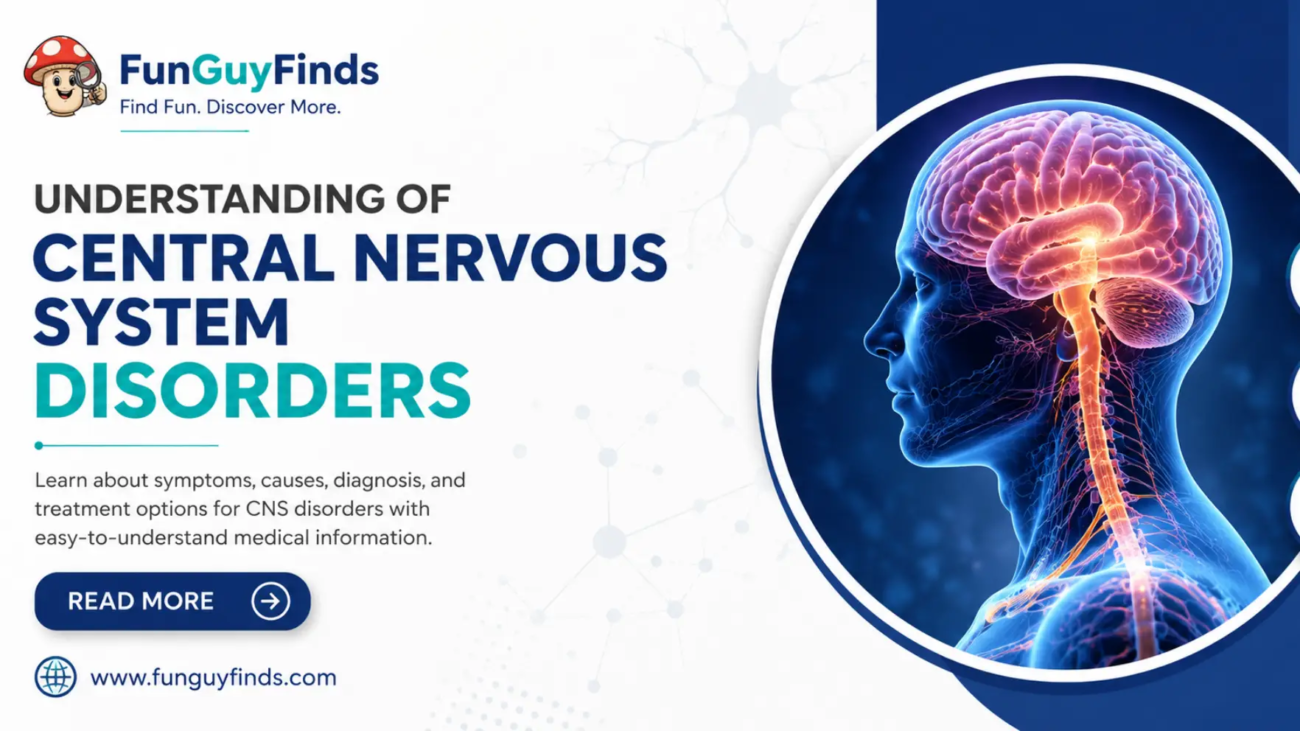
What is the Central Nervous System (CNS)?
The Central Nervous System (CNS) is the body’s primary control center. It consists of the brain and spinal cord, which work together to regulate nearly every function of the human body, including movement, sensation, thought, memory, emotions, and vital organ functions.
The brain processes information received from the body’s sensory organs and sends commands through the spinal cord to the peripheral nerves. The spinal cord also controls many reflex actions that occur without direct involvement of the brain.
Brain
The brain is the most complex organ in the human body and serves as the command center of the nervous system. It contains billions of neurons that communicate with each other through electrical and chemical signals. The brain controls:
- Movement and coordination
- Memory and learning
- Thinking and reasoning
- Emotions and behavior
- Vision, hearing, and speech
- Breathing, heartbeat, and other vital functions
Spinal Cord
The spinal cord is a long bundle of nerve tissue that extends from the brainstem down the back. It acts as the communication pathway between the brain and the rest of the body, transmitting sensory information to the brain and motor commands to muscles. It also controls automatic reflexes such as withdrawing your hand from a hot surface.
What Are Central Nervous System Disorders?
Central Nervous System (CNS) disorders are neurological conditions that affect the structure or function of the brain and spinal cord. These disorders can interfere with movement, sensation, cognition, communication, and other essential body functions.
CNS disorders include both congenital and acquired conditions, such as:
- Attention-Deficit/Hyperactivity Disorder (ADHD)
- Autism Spectrum Disorder (ASD)
- Epilepsy (Seizure Disorders)
- Migraine
- Meningitis
- Brain Tumors
- Myelopathy
- Tourette Syndrome
- Locked-in Syndrome
- Multiple Sclerosis
- Stroke
Types of Central Nervous System Disorders
Attention-Deficit/Hyperactivity Disorder (ADHD)
ADHD is a neurodevelopmental disorder characterized by persistent patterns of inattention, hyperactivity, and impulsivity. Individuals with ADHD may struggle with concentration, organization, and following instructions.
Common Symptoms
- Difficulty focusing
- Restlessness
- Impulsiveness
- Poor time management
- Easily distracted
Treatment
Treatment typically includes behavioral therapy, educational support, and medications prescribed by a healthcare professional.
Autism Spectrum Disorder (ASD)
Autism Spectrum Disorder is a developmental condition that affects communication, social interaction, and behavior. Symptoms and severity vary significantly from person to person.
Common Symptoms
- Difficulty with social interactions
- Repetitive behaviors
- Delayed speech or language development
- Sensory sensitivities
Addiction
Addiction is a chronic brain disorder that affects the brain’s reward system. It can involve dependence on substances such as drugs or alcohol, or compulsive behaviors despite harmful consequences.
Seizure Disorders (Epilepsy)
Seizures occur due to abnormal electrical activity in the brain. Epilepsy is a neurological disorder characterized by recurrent, unprovoked seizures.
Symptoms
- Loss of consciousness
- Muscle jerking
- Temporary confusion
- Staring spells
Catalepsy
Catalepsy is a neurological condition characterized by muscle rigidity, reduced response to external stimuli, and an inability to move voluntarily while remaining conscious.
Migraine
Migraine is a neurological disorder that causes severe, recurring headaches often accompanied by nausea, vomiting, and sensitivity to light or sound.
Meningitis
Meningitis is an inflammation of the protective membranes surrounding the brain and spinal cord. It can be caused by bacterial, viral, or fungal infections.
Symptoms
- High fever
- Severe headache
- Stiff neck
- Nausea and vomiting
- Sensitivity to light
Locked-in Syndrome
Locked-in syndrome is a rare neurological disorder caused by damage to the brainstem. Patients remain conscious but are unable to move most muscles except those controlling eye movements.
Brain Tumors
Brain tumors are abnormal growths of cells within the brain. They may be benign (non-cancerous) or malignant (cancerous). Treatment depends on the tumor’s size, location, and type.
Tourette Syndrome
Tourette Syndrome is a neurological disorder characterized by repetitive, involuntary movements and vocalizations known as tics. It often begins during childhood and may occur alongside ADHD or obsessive-compulsive disorder (OCD).
Myelopathy
Myelopathy refers to damage or compression of the spinal cord. It may result from injury, degenerative diseases, infections, tumors, or congenital conditions.
Symptoms
- Muscle weakness
- Numbness
- Balance problems
- Difficulty walking
- Loss of coordination
Symptoms of Central Nervous System Disorders
Symptoms vary depending on the condition, but common signs include:
- Persistent headaches
- Memory loss
- Difficulty concentrating
- Muscle weakness
- Tremors
- Numbness or tingling
- Loss of coordination
- Speech difficulties
- Seizures
- Vision changes
- Paralysis
- Chronic pain
Causes of Central Nervous System Disorders
Several factors can contribute to CNS disorders, including:
Trauma
Traumatic injuries to the brain or spinal cord caused by accidents, falls, or sports injuries can result in long-term neurological damage.
Infections
Bacterial, viral, fungal, or parasitic infections can affect the brain and spinal cord, leading to conditions such as meningitis or encephalitis.
Degenerative Diseases
Conditions such as Parkinson’s disease, Alzheimer’s disease, and amyotrophic lateral sclerosis (ALS) gradually damage nerve cells over time.
Congenital Defects
Some CNS disorders are present at birth due to genetic or developmental abnormalities, such as spina bifida and certain brain malformations.
Brain and Spinal Cord Tumors
Tumors may compress surrounding nerves and brain tissue, affecting normal neurological function.
Autoimmune Disorders
In autoimmune diseases, such as Multiple Sclerosis, the immune system mistakenly attacks healthy nervous tissue.
Stroke
A stroke occurs when blood flow to part of the brain is interrupted or when a blood vessel ruptures, leading to brain damage.
Treatment Options for Central Nervous System Disorders
Treatment depends on the specific condition, its severity, and the patient’s overall health. Common treatment approaches include:
Medications
Doctors may prescribe medications to control symptoms, reduce inflammation, prevent seizures, relieve pain, or slow disease progression.
Behavioral Therapy
Behavioral and psychological therapies are commonly used for ADHD, autism spectrum disorder, addiction, and certain neurological conditions.
Interventional Neuroradiology
Minimally invasive procedures use tiny catheters inserted into blood vessels to treat aneurysms, strokes, and other vascular disorders affecting the brain.
Microsurgery
Microsurgery uses specialized instruments and high-powered microscopes to perform delicate operations on the brain and spinal cord.
Stereotactic Radiosurgery
This non-invasive treatment delivers highly focused radiation to brain tumors and other neurological abnormalities while minimizing damage to surrounding healthy tissue.
Deep Brain Stimulation (DBS)
Deep Brain Stimulation involves implanting electrodes in specific areas of the brain to help manage movement disorders such as Parkinson’s disease and essential tremor.
Spinal Cord Stimulation
Electrical stimulation of the spinal cord can help manage chronic pain and certain neurological disorders.
Neurorehabilitation
Rehabilitation programs combine physical therapy, occupational therapy, speech therapy, and cognitive rehabilitation to improve quality of life and restore function.
Spinal Surgery
Surgery may be necessary to treat spinal cord compression, tumors, fractures, or degenerative conditions affecting the spine.
Conclusion
The central nervous system plays a vital role in controlling every function of the body. Disorders affecting the brain and spinal cord can significantly impact physical, cognitive, and emotional health. Early diagnosis, appropriate medical treatment, rehabilitation, and ongoing care can help manage symptoms, improve function, and enhance quality of life. If you experience persistent neurological symptoms, consult a qualified healthcare professional for proper evaluation and treatment.